

Chronological Study of the Bible.
Reading the Bible in chronological order follows the sequence of events as they occurred historically (based on scholarly research), rather than the traditional canonical order. This approach helps connect historical narratives, interweave Psalms and prophetic writings with related events, and provide better context (e.g., placing Job during the patriarchal period and harmonizing Gospel accounts).
Chronological Bible Study
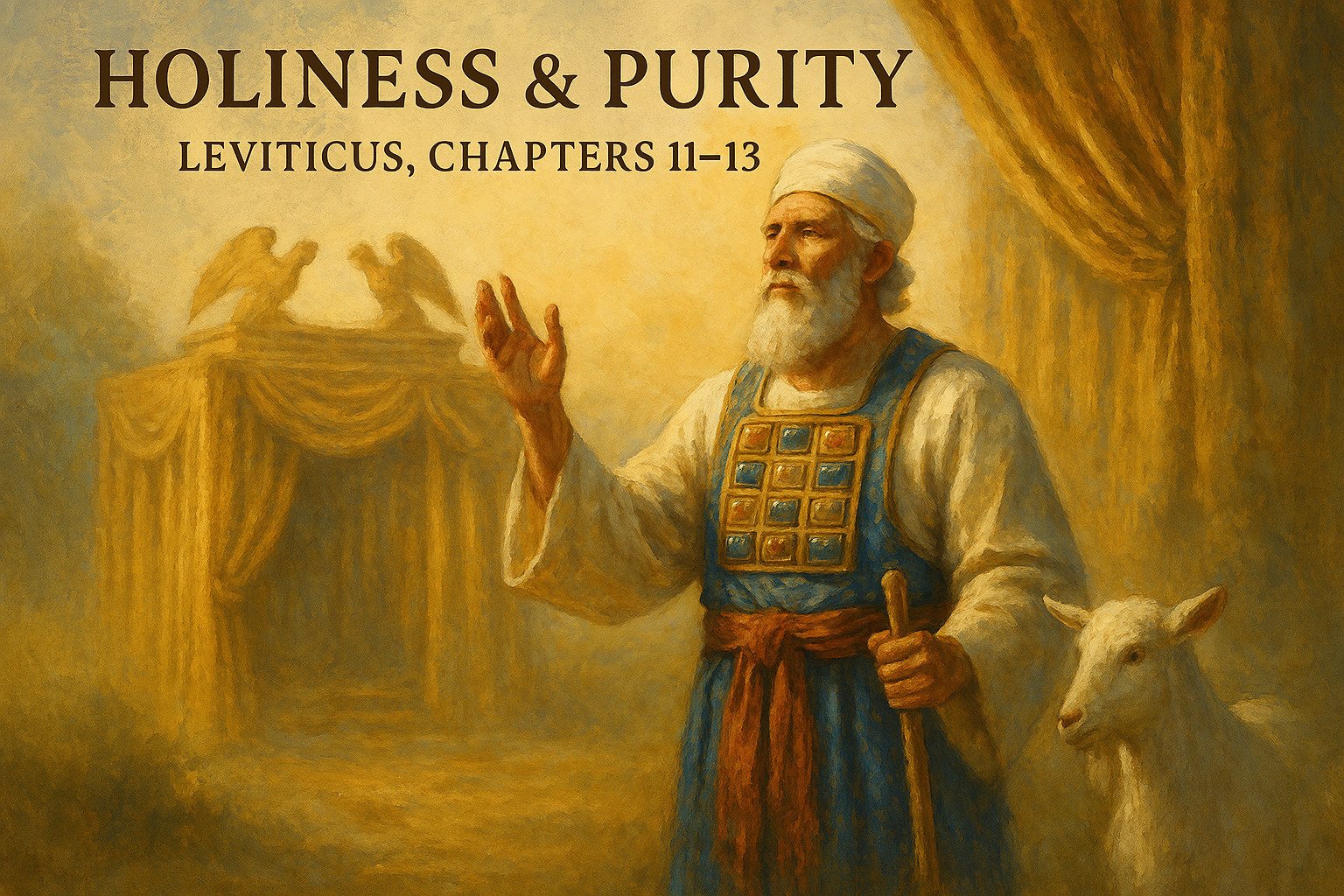
Leviticus Chapter 11 - 13
Introducing Leviticus Chapter 11 – 15 we begin to learn about purity and impurity or clean and unclean laws as it pertains to animals and humans. We learn how priests had to clear them of their uncleanliness before worship.
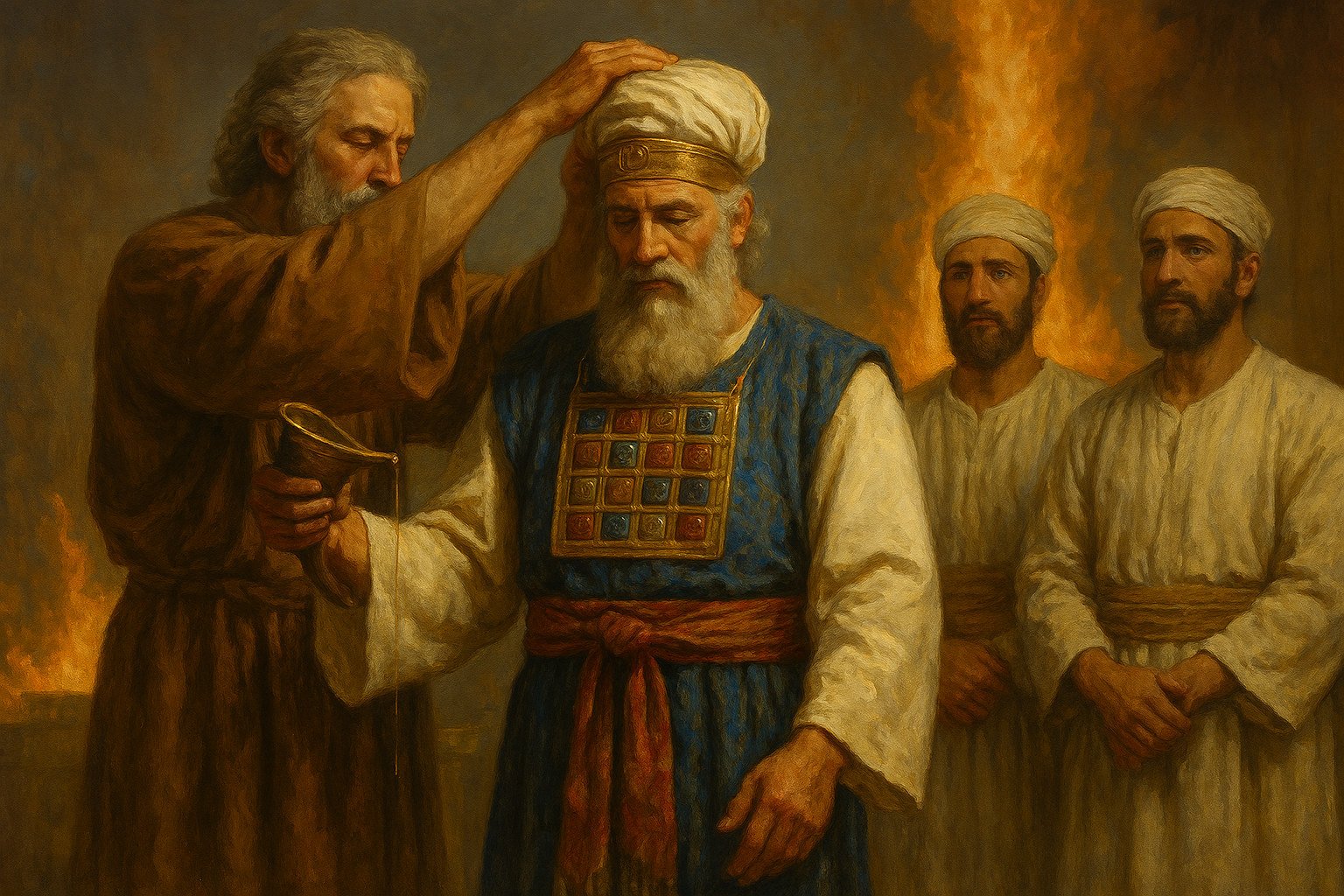
Leviticus Chapters 8-10
Leviticus chapters 8–10 shift from laws about offerings to narrative action: the actual establishment and inauguration of the priesthood.

Leviticus Chapters 5 - 7
As you study Leviticus 5–7, you’ll see how God’s instructions move from general sacrifices to practical applications in daily life, highlighting both justice and mercy. These passages invite us to reflect on the seriousness of sin, the necessity of making amends, and the gracious provision God makes for restoration.
Leviticus Chapters 1 - 4
. Leviticus transitions from God’s deliverance in Exodus to the call for holy living in His presence.
Exodus Chapters 39-40
, God teaches through Exodus 39–40 that He is a holy God who graciously chooses to dwell with His obedient people, blessing them with His presence and guidance. This climactic ending to Exodus shows restoration after rebellion and sets the stage for worship in Leviticus
Exodus Chapters 36 - 38
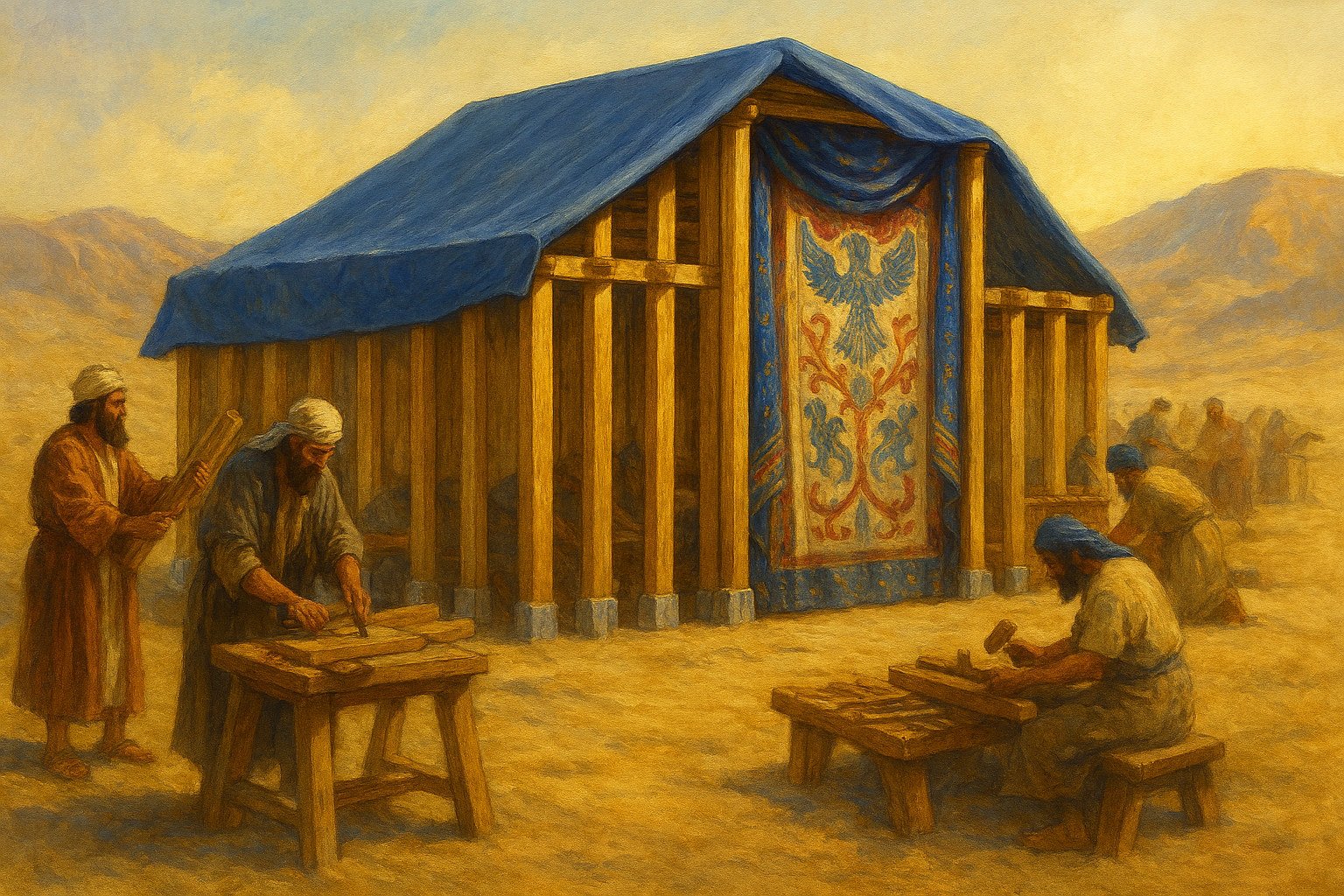
Obey God’s guidance, give generously, use your skills for His purposes, worship with reverence, and build accountable community—these are the key lessons for today.
Exodus Chapters 33-35
Special thanks are given to Jesus Christ, my Lord and Savior, for the gift of writing and the privilege of sharing this Bible Study. His guidance and blessings have made this work possible, and it is with a grateful heart that can share my study with you. I hope you find it informational and helpful in your spiritual journey. I am asking that you open your hearts and minds to accept the word of Christ into your hearts and accept His word to transform your life in positive ways. This is the first part of my online Christian Bookstore Fellowship and I do accept donations that will further my mission to have a Bookstore in our community, a place where we can sit down face to face and enjoy this Bible Study over open and honest conversation. I will continue this online Study as well to complete the entire year. Thank you for following The Mustard Seed Christian Bookstore Fellowship & Café online Bible Study.
This Bible study is written with inspiration and wisdom from the Holy Spirit, Scripture from the Holy Bible (NIV), NKJV Life Application Study Bible, analytical support and help in organizing and presentation from Grok AI and writing assistance with drafting and editing from Microsoft Co-Pilot.
Heavenly Father,\ Thank You for Your faithfulness and guidance. As I open Your Word, I ask for Your presence to fill my heart and mind. Grant me wisdom, understanding, and a willing spirit to learn and obey. Forgive my shortcomings, renew me, and transform me by Your grace. May Your light shine through me as I study and seek to grow closer to You. In Jesus’ name, Amen.
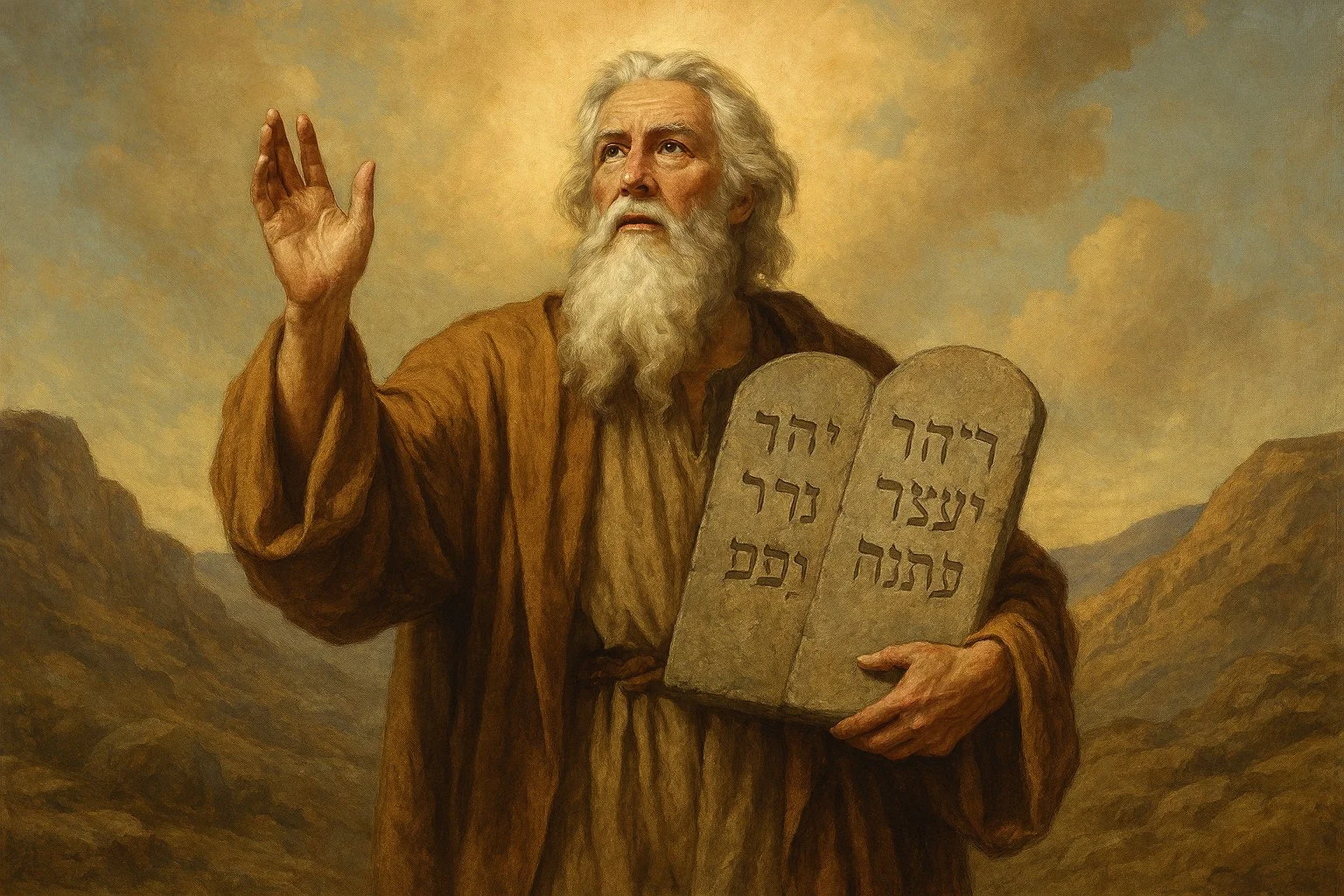
In the previous less God gives Moses instructions for worship, including the altar of incense, atonement money, and anointing oil. Skilled artisans are appointed to build the tabernacle, and the Sabbath is reaffirmed as a sign of the covenant. While Moses is on the mountain, the Israelites create a golden calf, falling into idolatry. Moses intercedes for the people, and God shows both judgment and mercy, teaching the importance of holiness, faithfulness, and community responsibility. God grants the people mercy and Moses finds grace in the eyes of the Lord
As we continue our study Moses continues he conversation with the Lord and he finds that he has to continue speaking on behalf the Israelite before God. God hands down his laws through Moses for the Israelites to follow and they will not journey on their way.
Exodus 33
The Command to Leave Sinai
1 Then the Lord said to Moses, “Depart and go up from here, you and the people whom you have brought out of the land of Egypt, to the land of which I swore to Abraham, Isaac, and Jacob, saying, ‘To your descendants I will give it.’ 2 And I will send My Angel before you, and I will drive out the Canaanite and the Amorite and the Hittite and the Perizzite and the Hivite and the Jebusite. 3 Go up to a land flowing with milk and honey; for I will not go up in your midst, lest I consume you on the way, for you are a stiff-necked people.”
4 And when the people heard this bad news, they mourned, and no one put on his ornaments. 5 For the Lord had said to Moses, “Say to the children of Israel, ‘You are a stiff-necked people. I could come up into your midst in one moment and consume you. Now therefore, take off your ornaments, that I may know what to do to you.’ ” 6 So the children of Israel stripped themselves of their ornaments by Mount Horeb.
Moses Meets with the Lord
7 Moses took his tent and pitched it outside the camp, far from the camp, and called it the tabernacle of meeting. And it came to pass that everyone who sought the Lord went out to the tabernacle of meeting which was outside the camp. 8 So it was, whenever Moses went out to the tabernacle, that all the people rose, and each man stood at his tent door and watched Moses until he had gone into the tabernacle. 9 And it came to pass, when Moses entered the tabernacle, that the pillar of cloud descended and stood at the door of the tabernacle, and the Lord talked with Moses. 10 All the people saw the pillar of cloud standing at the tabernacle door, and all the people rose and worshiped, each man in his tent door. 11 So the Lord spoke to Moses face to face, as a man speaks to his friend. And he would return to the camp, but his servant Joshua the son of Nun, a young man, did not depart from the tabernacle.
The Promise of God’s Presence
12 Then Moses said to the Lord, “See, You say to me, ‘Bring up this people.’ But You have not let me know whom You will send with me. Yet You have said, ‘I know you by name, and you have also found grace in My sight.’ 13 Now therefore, I pray, if I have found grace in Your sight, show me now Your way, that I may know You and that I may find grace in Your sight. And consider that this nation is Your people.”
14 And He said, “My Presence will go with you, and I will give you rest.”
15 Then he said to Him, “If Your Presence does not go with us, do not bring us up from here. 16 For how then will it be known that Your people and I have found grace in Your sight, except You go with us? So we shall be separate, Your people and I, from all the people who are upon the face of the earth.”
17 So the Lord said to Moses, “I will also do this thing that you have spoken; for you have found grace in My sight, and I know you by name.”
18 And he said, “Please, show me Your glory.”
19 Then He said, “I will make all My goodness pass before you, and I will proclaim the name of the Lord before you. I will be gracious to whom I will be gracious, and I will have compassion on whom I will have compassion.” 20 But He said, “You cannot see My face; for no man shall see Me, and live.” 21 And the Lord said, “Here is a place by Me, and you shall stand on the rock. 22 So it shall be, while My glory passes by, that I will put you in the cleft of the rock, and will cover you with My hand while I pass by. 23 Then I will take away My hand, and you shall see My back; but My face shall not be seen.”
(In Exodus 33, God tells Moses that He will not go with the Israelites on their journey to the Promised Land due to their rebellious nature. This happens after the incident of the golden calf, where the people turned away from God's commands.
God expresses concern that if He were to accompany them, His holiness would lead to their destruction because of their sinfulness. Instead, He offers to send an angel to guide them, but it’s clear that Moses deeply desires God's presence for himself and the people. This moment highlights the tension between God's holiness and human disobedience, emphasizing the need for repentance and the importance of a direct relationship with God.
Moses responds by pleading with God to reconsider, showing his commitment to the people and emphasizing that God's presence is crucial for their identity as His chosen people. This dialogue illustrates both God's justice and mercy, as He ultimately agrees to Moses’s request, reaffirming a deeper relationship with Him.)
Exodus 34
Moses Makes New Tablets
1 And the Lord said to Moses, “Cut two tablets of stone like the first ones, and I will write on these tablets the words that were on the first tablets which you broke. 2 So be ready in the morning, and come up in the morning to Mount Sinai, and present yourself to Me there on the top of the mountain. 3 And no man shall come up with you, and let no man be seen throughout all the mountain; let neither flocks nor herds feed before that mountain.”
4 So he cut two tablets of stone like the first ones. Then Moses rose early in the morning and went up Mount Sinai, as the Lord had commanded him; and he took in his hand the two tablets of stone.
5 Now the Lord descended in the cloud and stood with him there, and proclaimed the name of the Lord. 6 And the Lord passed before him and proclaimed, “The Lord, the Lord God, merciful and gracious, longsuffering, and abounding in goodness and truth, 7 keeping mercy for thousands, forgiving iniquity and transgression and sin, by no means clearing the guilty, visiting the iniquity of the fathers upon the children and the children’s children to the third and the fourth generation.”
8 So Moses made haste and bowed his head toward the earth, and worshiped. 9 Then he said, “If now I have found grace in Your sight, O Lord, let my Lord, I pray, go among us, even though we are a stiff-necked people; and pardon our iniquity and our sin, and take us as Your inheritance.”
The Covenant Renewed
10 And He said: “Behold, I make a covenant. Before all your people I will do marvels such as have not been done in all the earth, nor in any nation; and all the people among whom you are shall see the work of the Lord. For it is an awesome thing that I will do with you. 11 Observe what I command you this day. Behold, I am driving out from before you the Amorite and the Canaanite and the Hittite and the Perizzite and the Hivite and the Jebusite. 12 Take heed to yourself, lest you make a covenant with the inhabitants of the land where you are going, lest it be a snare in your midst. 13 But you shall destroy their altars, break their sacred pillars, and cut down their wooden images 14 (for you shall worship no other god, for the Lord, whose name is Jealous, is a jealous God), 15 lest you make a covenant with the inhabitants of the land, and they play the harlot with their gods and make sacrifice to their gods, and one of them invites you and you eat of his sacrifice, 16 and you take of his daughters for your sons, and his daughters play the harlot with their gods and make your sons play the harlot with their gods.
17 “You shall make no molded gods for yourselves.
18 “The Feast of Unleavened Bread you shall keep. Seven days you shall eat unleavened bread, as I commanded you, in the appointed time of the month of Abib; for in the month of Abib you came out from Egypt.
19 “All that open the womb are Mine, and every male firstborn among your livestock, whether ox or sheep. 20 But the firstborn of a donkey you shall redeem with a lamb. And if you will not redeem him, then you shall break his neck. All the firstborn of your sons you shall redeem.
“And none shall appear before Me empty-handed.
21 “Six days you shall work, but on the seventh day you shall rest; in plowing time and in harvest you shall rest.
22 “And you shall observe the Feast of Weeks, of the firstfruits of wheat harvest, and the Feast of Ingathering at the year’s end.
23 “Three times in the year all your men shall appear before the Lord, the Lord God of Israel. 24 For I will cast out the nations before you and enlarge your borders; neither will any man covet your land when you go up to appear before the Lord your God three times in the year.
25 “You shall not offer the blood of My sacrifice with leaven, nor shall the sacrifice of the Feast of the Passover be left until morning.
26 “The first of the firstfruits of your land you shall bring to the house of the Lord your God. You shall not boil a young goat in its mother’s milk.”
27 Then the Lord said to Moses, “Write these words, for according to the tenor of these words I have made a covenant with you and with Israel.” 28 So he was there with the Lord forty days and forty nights; he neither ate bread nor drank water. And He wrote on the tablets the words of the covenant, the Ten Commandments.
The Shining Face of Moses
29 Now it was so, when Moses came down from Mount Sinai (and the two tablets of the Testimony were in Moses’ hand when he came down from the mountain), that Moses did not know that the skin of his face shone while he talked with Him. 30 So when Aaron and all the children of Israel saw Moses, behold, the skin of his face shone, and they were afraid to come near him. 31 Then Moses called to them, and Aaron and all the rulers of the congregation returned to him; and Moses talked with them. 32 Afterward all the children of Israel came near, and he gave them as commandments all that the Lord had spoken with him on Mount Sinai. 33 And when Moses had finished speaking with them, he put a veil on his face. 34 But whenever Moses went in before the Lord to speak with Him, he would take the veil off until he came out; and he would come out and speak to the children of Israel whatever he had been commanded. 35 And whenever the children of Israel saw the face of Moses, that the skin of Moses’ face shone, then Moses would put the veil on his face again, until he went in to speak with Him.
Exodus 35
Sabbath Regulations
1 Then Moses gathered all the congregation of the children of Israel together, and said to them, “These are the words which the Lord has commanded you to do: 2 Work shall be done for six days, but the seventh day shall be a holy day for you, a Sabbath of rest to the Lord. Whoever does any work on it shall be put to death. 3 You shall kindle no fire throughout your dwellings on the Sabbath day.”
Offerings for the Tabernacle
4 And Moses spoke to all the congregation of the children of Israel, saying, “This is the thing which the Lord commanded, saying: 5 ‘Take from among you an offering to the Lord. Whoever is of a willing heart, let him bring it as an offering to the Lord: gold, silver, and bronze; 6 blue, purple, and scarlet thread, fine linen, and goats’ hair; 7 ram skins dyed red, badger skins, and acacia wood; 8 oil for the light, and spices for the anointing oil and for the sweet incense; 9 onyx stones, and stones to be set in the ephod and in the breastplate.
Articles of the Tabernacle
10 ‘All who are gifted artisans among you shall come and make all that the Lord has commanded: 11 the tabernacle, its tent, its covering, its clasps, its boards, its bars, its pillars, and its sockets; 12 the ark and its poles, with the mercy seat, and the veil of the covering; 13 the table and its poles, all its utensils, and the showbread; 14 also the lampstand for the light, its utensils, its lamps, and the oil for the light; 15 the incense altar, its poles, the anointing oil, the sweet incense, and the screen for the door at the entrance of the tabernacle; 16 the altar of burnt offering with its bronze grating, its poles, all its utensils, and the laver and its base; 17 the hangings of the court, its pillars, their sockets, and the screen for the gate of the court; 18 the pegs of the tabernacle, the pegs of the court, and their cords; 19 the garments of ministry, for ministering in the holy place—the holy garments for Aaron the priest and the garments of his sons, to minister as priests.’ ”
The Tabernacle Offerings Presented
20 And all the congregation of the children of Israel departed from the presence of Moses. 21 Then everyone came whose heart was stirred, and everyone whose spirit was willing, and they brought the Lord’s offering for the work of the tabernacle of meeting, for all its service, and for the holy garments. 22 They came, both men and women, as many as had a willing heart, and brought earrings and nose rings, rings and necklaces, all jewelry of gold, that is, every man who made an offering of gold to the Lord. 23 And every man, with whom was found blue, purple, and scarlet thread, fine linen, and goats’ hair, red skins of rams, and badger skins, brought them. 24 Everyone who offered an offering of silver or bronze brought the Lord’s offering. And everyone with whom was found acacia wood for any work of the service, brought it. 25 All the women who were gifted artisans spun yarn with their hands, and brought what they had spun, of blue, purple, and scarlet, and fine linen. 26 And all the women whose hearts stirred with wisdom spun yarn of goats’ hair. 27 The rulers brought onyx stones, and the stones to be set in the ephod and in the breastplate, 28 and spices and oil for the light, for the anointing oil, and for the sweet incense. 29 The children of Israel brought a freewill offering to the Lord, all the men and women whose hearts were willing to bring material for all kinds of work which the Lord, by the hand of Moses, had commanded to be done.
The Artisans Called by God
30 And Moses said to the children of Israel, “See, the Lord has called by name Bezalel the son of Uri, the son of Hur, of the tribe of Judah; 31 and He has filled him with the Spirit of God, in wisdom and understanding, in knowledge and all manner of workmanship, 32 to design artistic works, to work in gold and silver and bronze, 33 in cutting jewels for setting, in carving wood, and to work in all manner of artistic workmanship.
34 “And He has put in his heart the ability to teach, in him and Aholiab the son of Ahisamach, of the tribe of Dan. 35 He has filled them with skill to do all manner of work of the engraver and the designer and the tapestry maker, in blue, purple, and scarlet thread, and fine linen, and of the weaver—those who do every work and those who design artistic works.
God’s Message in Exodus 33–35
1. God’s Faithfulness and Guidance
God reminds Moses and the Israelites that the promised land is theirs because of His covenant with Abraham, Isaac, and Jacob. Even when the people are “stiff-necked,” God remains faithful, sending an angel ahead to guide and protect them. This shows that God’s promises are steadfast, even when we falter.
Personal Lesson:\ No matter your struggles or shortcomings, God’s faithfulness endures. Trust in His guidance, even when the path seems uncertain.
2. The Importance of God’s Presence
Moses pleads for God’s presence to go with the people, recognizing that without God, their journey would be meaningless. God responds, “My Presence will go with you, and I will give you rest.” Moses’ relationship with God is intimate—he speaks “face to face, as a man speaks to his friend”.
Personal Lesson:\ Seek God’s presence in your life. True peace and purpose come from walking closely with Him, not just following rules or traditions.
3. Renewal and Forgiveness
After the Israelites’ failure with the golden calf, God instructs Moses to make new tablets, symbolizing a fresh start. God proclaims His character: merciful, gracious, forgiving, yet just. The covenant is renewed, and God promises to do “marvels” among His people.
Personal Lesson:\ God offers forgiveness and renewal. When you fall, He invites you to return, accept His mercy, and start anew.
4. Obedience and Worship
God gives specific instructions for worship, festivals, and offerings. The people respond with generosity, bringing gifts for the tabernacle. Skilled artisans are called and empowered by God’s Spirit to serve.
Personal Lesson:\ Worship is more than rituals—it’s about a willing heart, obedience, and using your gifts to serve God and others.
5. Transformation in God’s Presence
When Moses spends time with God, his face shines, reflecting God’s glory. This transformation is visible to others and inspires reverence.
Personal Lesson:\ Time spent with God changes you. Let His presence transform your heart and life so others see His light in you.
In Summary
God’s message in Exodus 33–35 is about His unwavering faithfulness, the necessity of His presence, the power of forgiveness and renewal, the call to obedient worship, and the transformative effect of encountering Him. Open your heart to these truths—God wants to guide, forgive, empower, and transform you for His purposes.
What This Lesson Means for Your Life Today
1. God’s Faithfulness Is Unchanging
Even when you struggle or fall short, God’s promises and guidance remain steady. You can trust that God is working for your good, even when the path ahead is uncertain. This encourages you to rely on God’s faithfulness, not your own strength.
2. The Importance of God’s Presence
Like Moses, you are invited to seek God’s presence in your daily life. True peace, direction, and purpose come not from routines or traditions, but from a living relationship with God. Make space for God in your heart and daily routine, and let His presence guide your decisions.
3. Renewal and Forgiveness Are Always Available
No matter your past mistakes, God offers forgiveness and a fresh start. When you turn back to Him, He welcomes you with mercy and renews His promises in your life. This lesson encourages you to accept God’s grace and move forward with hope.
4. Worship Is About the Heart
God values a willing, obedient heart more than outward rituals. Use your gifts and resources to serve God and others, and let your worship be genuine and generous. This means living out your faith in practical ways—through kindness, generosity, and service.
5. Transformation Comes from Time with God
Spending time with God changes you from the inside out. As you grow closer to Him, His light and character will shine through you, impacting those around you. Let God’s presence transform your heart, attitudes, and actions.
In summary:\ This lesson calls you to trust God’s faithfulness, seek His presence, accept His forgiveness, worship with a willing heart, and allow His presence to transform your life. These truths are as relevant today as they were for the Israelites—God wants to guide, renew, empower, and change you for His purposes.
1. Why did Moses plead for God’s presence to go with the Israelites, and what does this teach us about our relationship with God?
Answer:\ Moses understood that without God’s presence, their journey would be meaningless. He pleaded for God to go with them because God’s presence was what set the Israelites apart and gave them identity and purpose. This teaches us that true peace and direction in life come from a living relationship with God, not just from following rules or traditions. We are invited to seek God’s presence daily.
2. What does the renewal of the covenant and the making of new tablets symbolize for the Israelites—and for us today?
Answer:\ The renewal of the covenant and the creation of new tablets after the golden calf incident symbolize forgiveness and a fresh start. God’s willingness to renew His promises shows His mercy and grace, even when we fail. For us today, this means that no matter our past mistakes, God offers forgiveness and invites us to return to Him, accepting His grace and moving forward with hope.
3. How did the Israelites respond to God’s instructions for worship and offerings, and what lesson can we learn about worship?
Answer:\ The Israelites responded with generosity and willingness, bringing gifts for the tabernacle and using their skills to serve. God values a willing, obedient heart more than outward rituals. The lesson for us is that worship is about genuine devotion, obedience, and using our gifts to serve God and others—not just performing rituals. Living out our faith in practical ways, such as kindness and service, is true worship.
God tells Moses to lead Israel to the Promised Land but warns of their stubbornness. Moses pleads for God’s presence, and God renews the covenant, giving new tablets.
Exodus 30 - 32
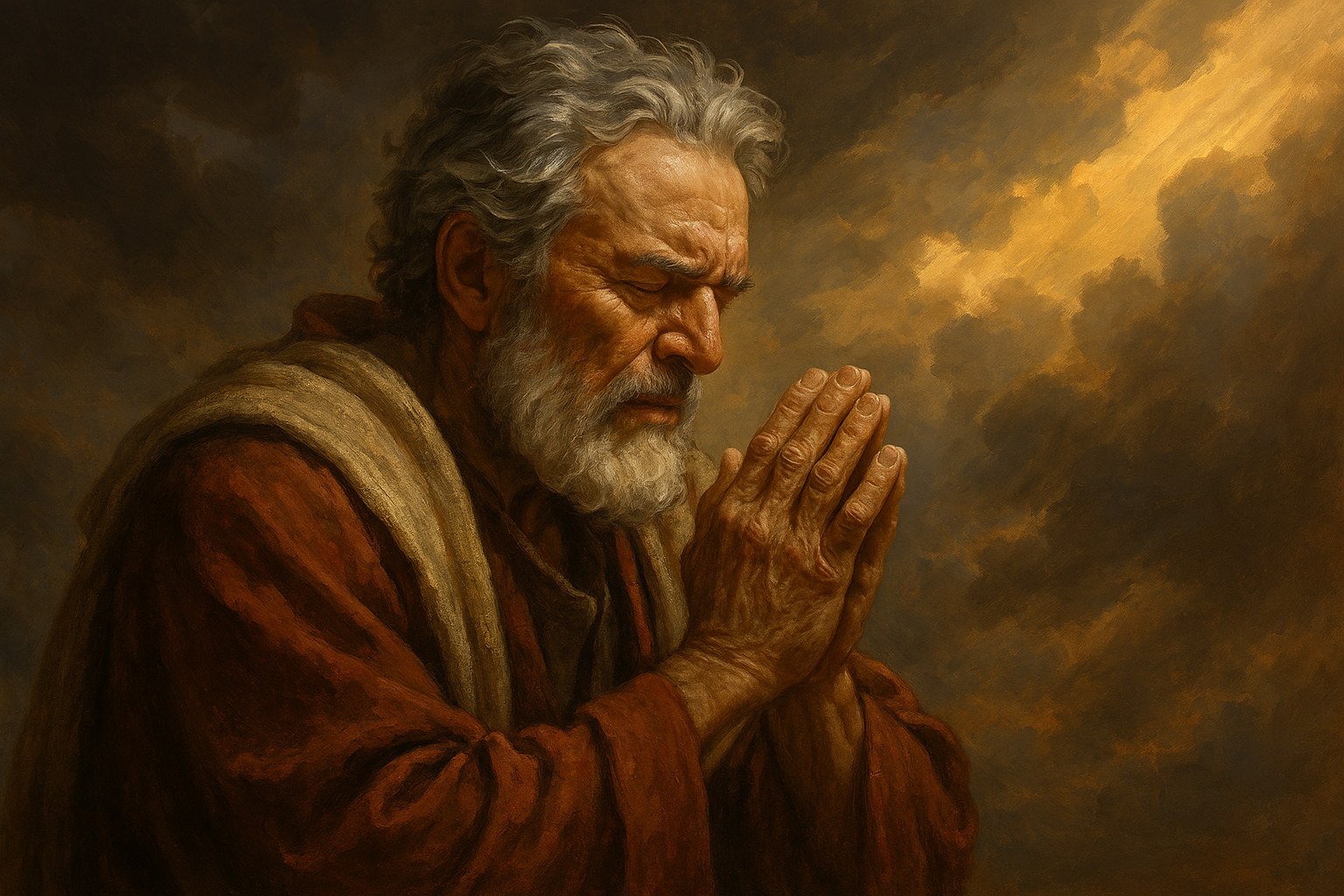
Moses intercedes for the people, and God shows both judgment and mercy, teaching the importance of holiness, faithfulness, and community responsibility.
Exodus 28-29
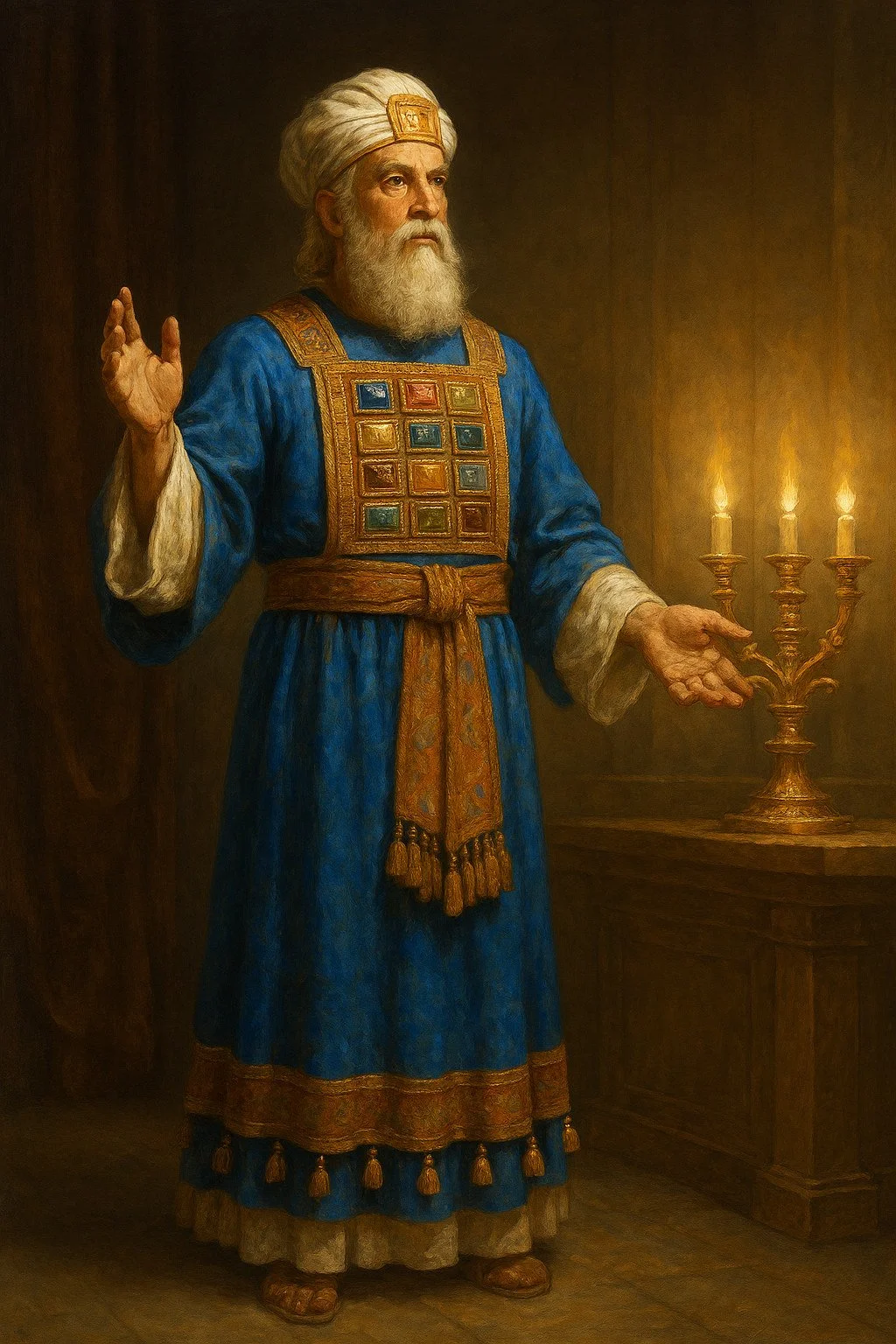
These chapters emphasize the seriousness of holiness, the cost of atonement, and God’s desire for continual relationship with His people through structured worship and generational service.

Exodus Chapters 25 - 27
Overall, these chapters illustrate the significance of worship, community contribution, and obedience to God’s commands.
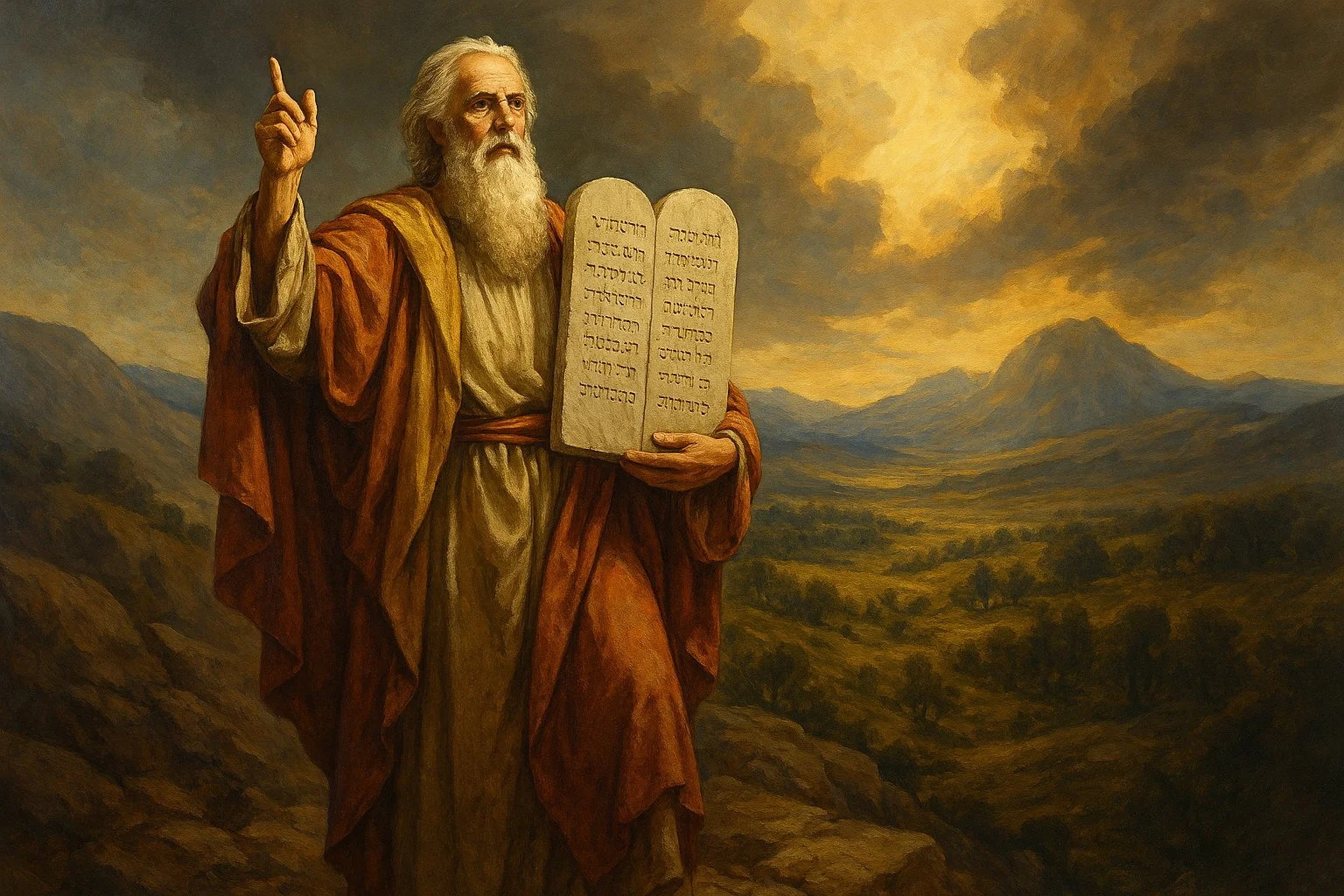
Exodus Chapters 22-24
Exodus 22–24 establishes foundational laws emphasizing restitution, justice, and personal responsibility, with special care for the vulnerable and prohibitions against idolatry and injustice. These chapters institute moral and ceremonial principles, festivals, and Sabbath observance, while underscoring exclusive loyalty to God. The covenant is formally ratified, highlighting the people's commitment to obedience and the blessings that follow, as well as the seriousness of their relationship with God.
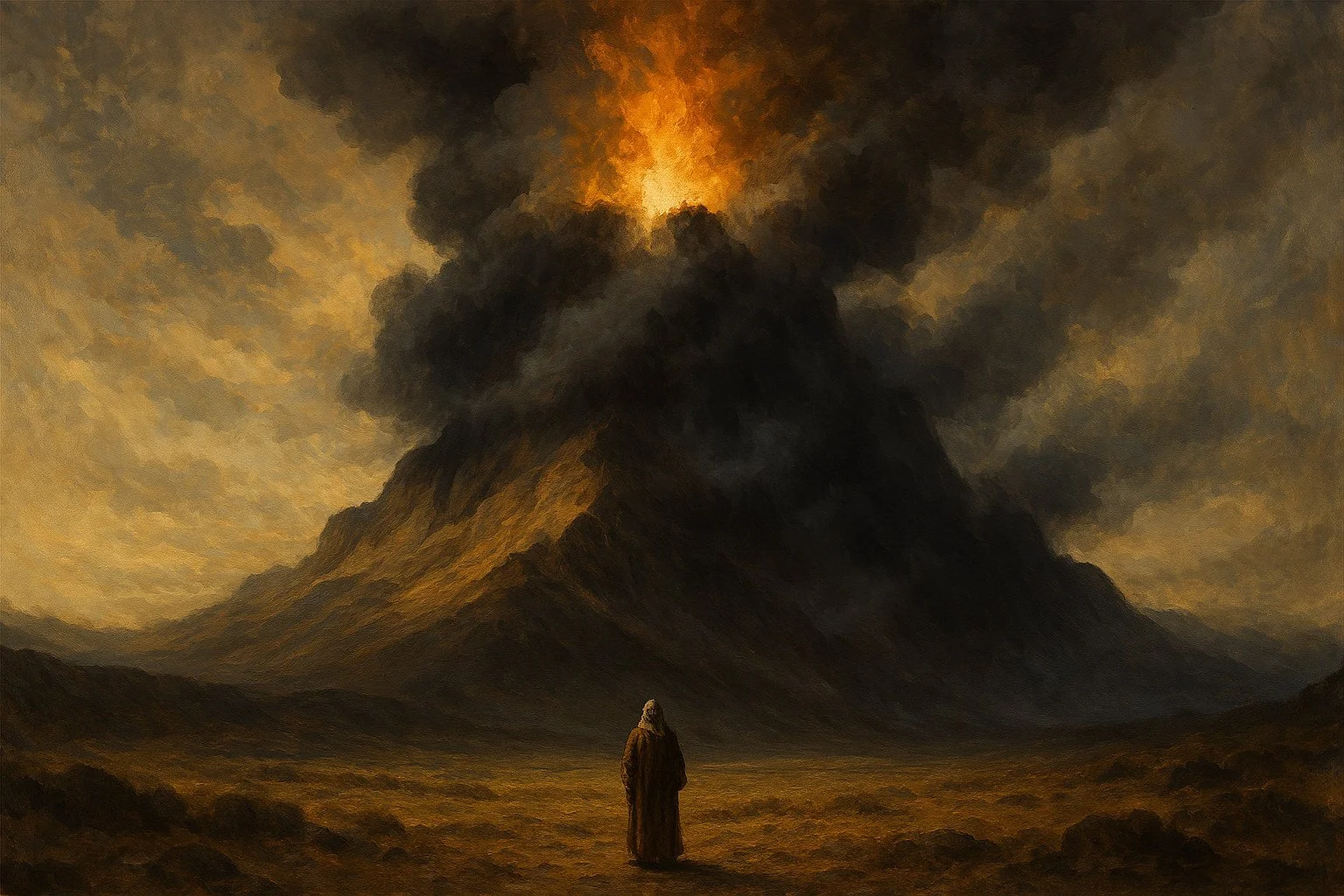
Exodus Chapters 19 - 21
The dramatic events at Sinai emphasize God’s holiness, the need for reverence, and the call to obedience. These chapters highlight God’s desire for a holy nation, the importance of understanding both the letter and spirit of the law, and the transformation that comes through living in alignment with God’s will.
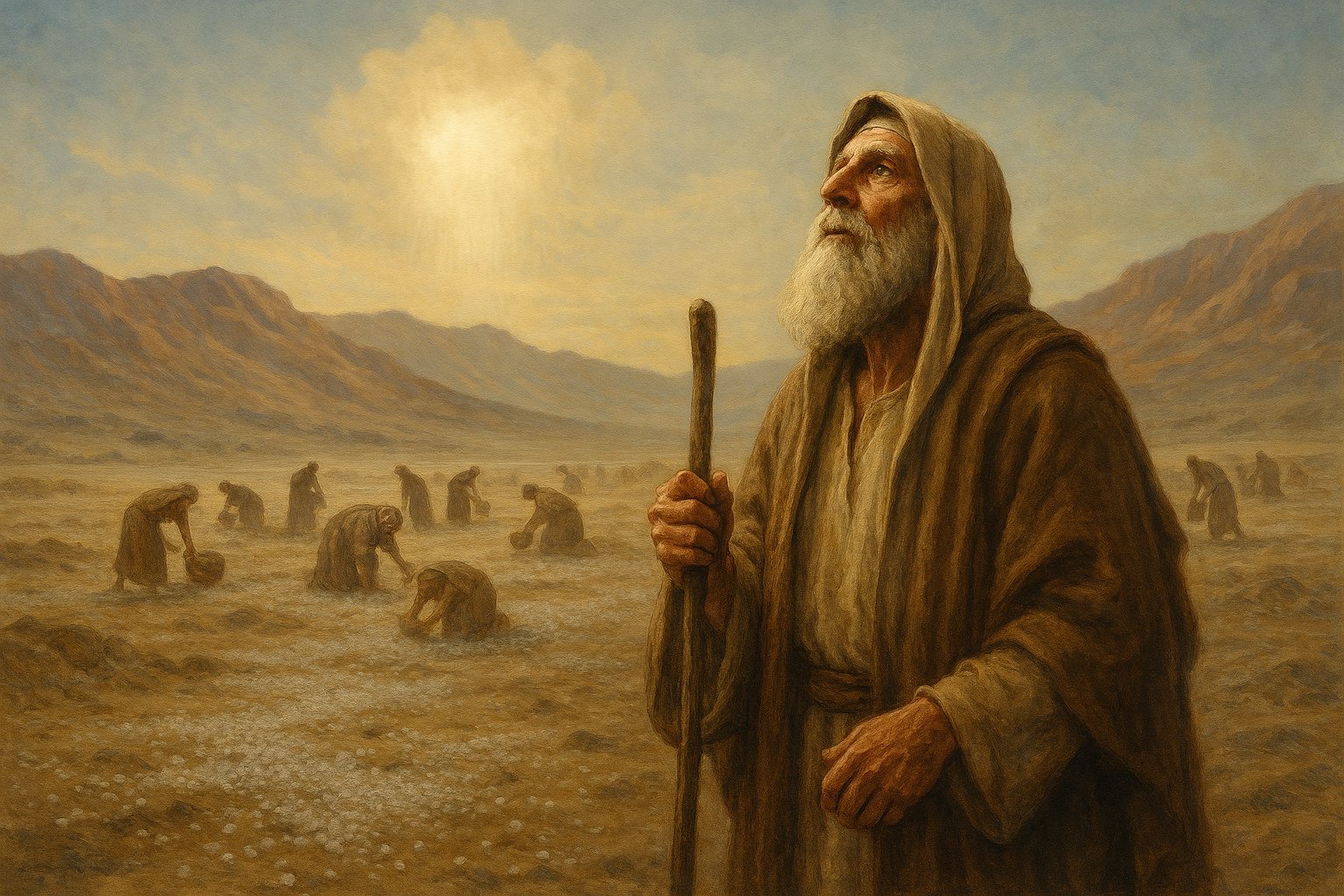
Exodus Chapters 16 - 18
After leaving Egypt, the Israelites journey through the wilderness and face hunger and thirst. God miraculously provides manna, quail, and water from a rock, teaching them to trust His provision and obey His instructions. The people struggle with doubt and grumbling, but God remains patient.
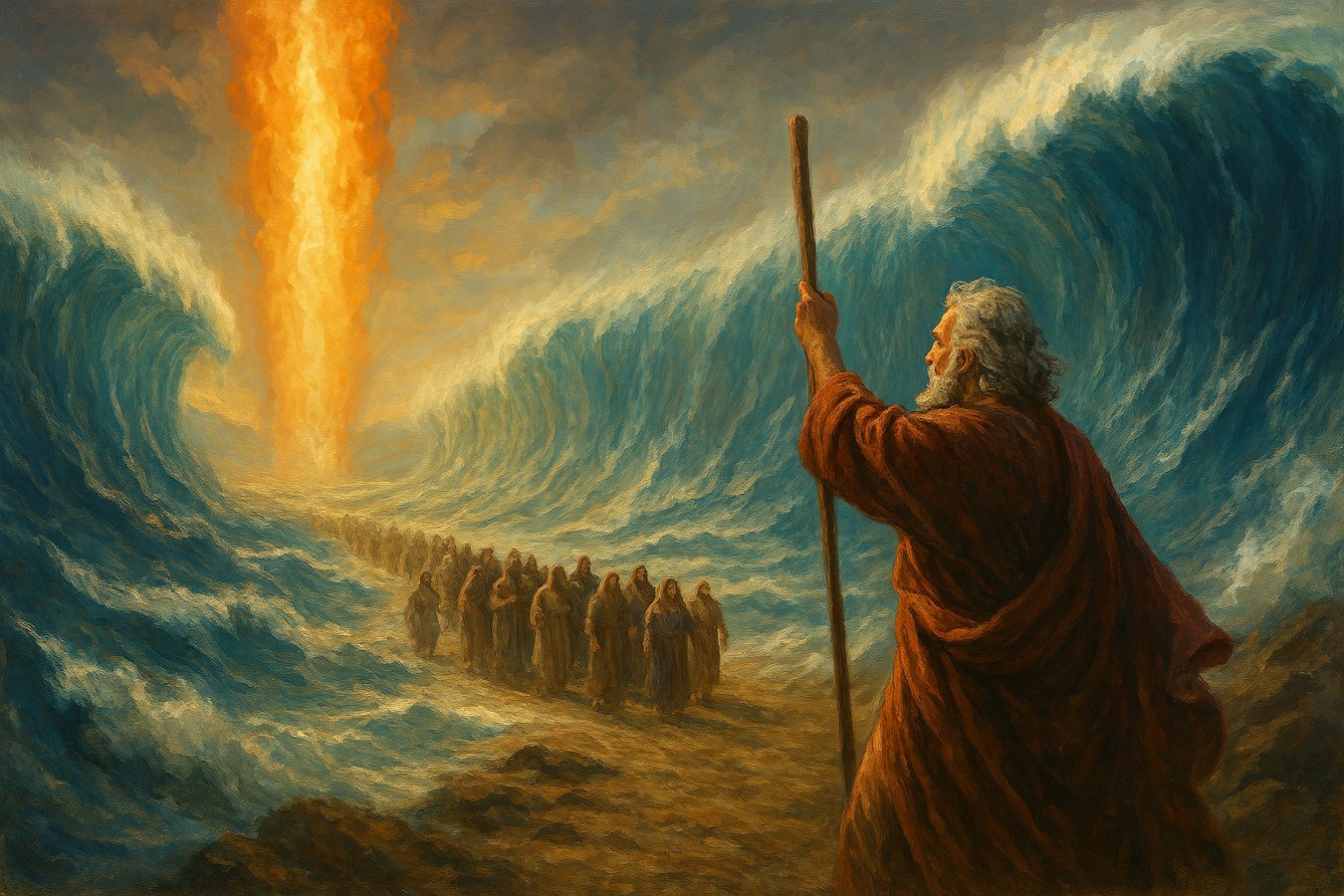
Exodus Chapters 13 - 15
Exodus 13–15 recounts God’s deliverance of Israel from Egypt. God commands the consecration of the firstborn and establishes the Feast of Unleavened Bread as a memorial. He guides the Israelites with a pillar of cloud and fire, leads them through the wilderness, and miraculously parts the Red Sea, saving them from Pharaoh’s army. The Israelites respond with songs of praise, recognizing God’s power, faithfulness, and uniqueness. These chapters emphasize trusting God’s guidance, remembering His salvation, and dedicating oneself to Him.
Exodus Chapter 10 - 12
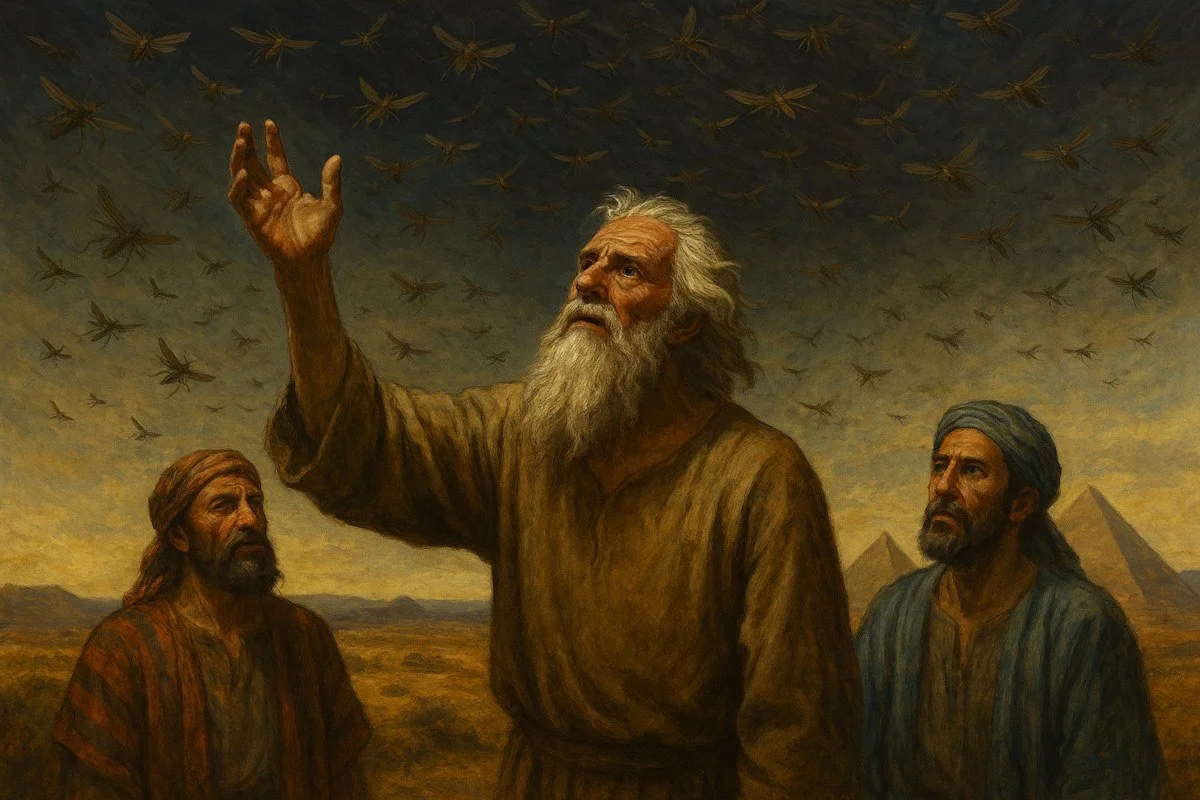
God sends the final plagues: locusts devour crops, then three days of darkness cover Egypt (light in Goshen). Pharaoh wavers but refuses full release. God announces the tenth plague—death of all Egyptian firstborn. He institutes Passover: Israelites sacrifice a lamb, mark doorposts with its blood for protection, and eat it in haste. That night, Egyptian firstborns die; Pharaoh surrenders. After 430 years, Israel departs Egypt—the Exodus begins.
Exodus Chapters 7 -9
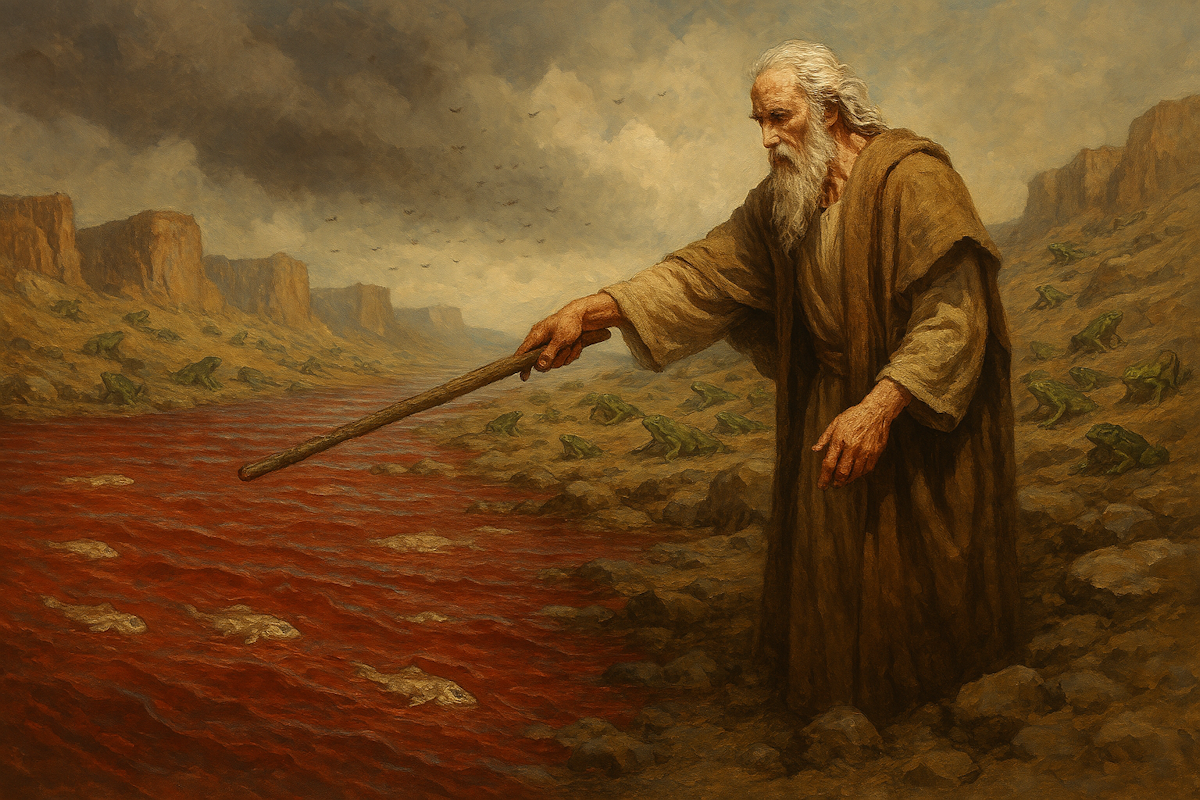
These chapters show that God is in control over all creation, rulers, and circumstances. Through the plagues, God demonstrates His supremacy and makes it clear that no earthly authority, including Pharaoh, can stand against Him. The plagues are purposeful signs to reveal God’s power and to teach both the Egyptians and Israelites that He alone is the Lord.
Exodus Chapters 4-6
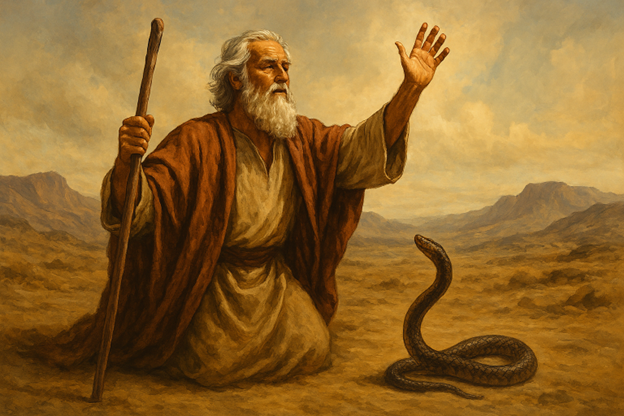
God equips and supports those He calls, even when they feel unqualified or afraid. He is faithful to His promises, and His power overcomes every obstacle. When you step out in faith and obedience, trusting God’s presence and guidance, you will experience transformation and courage for your journey.
Exodus Chapters 1 - 3
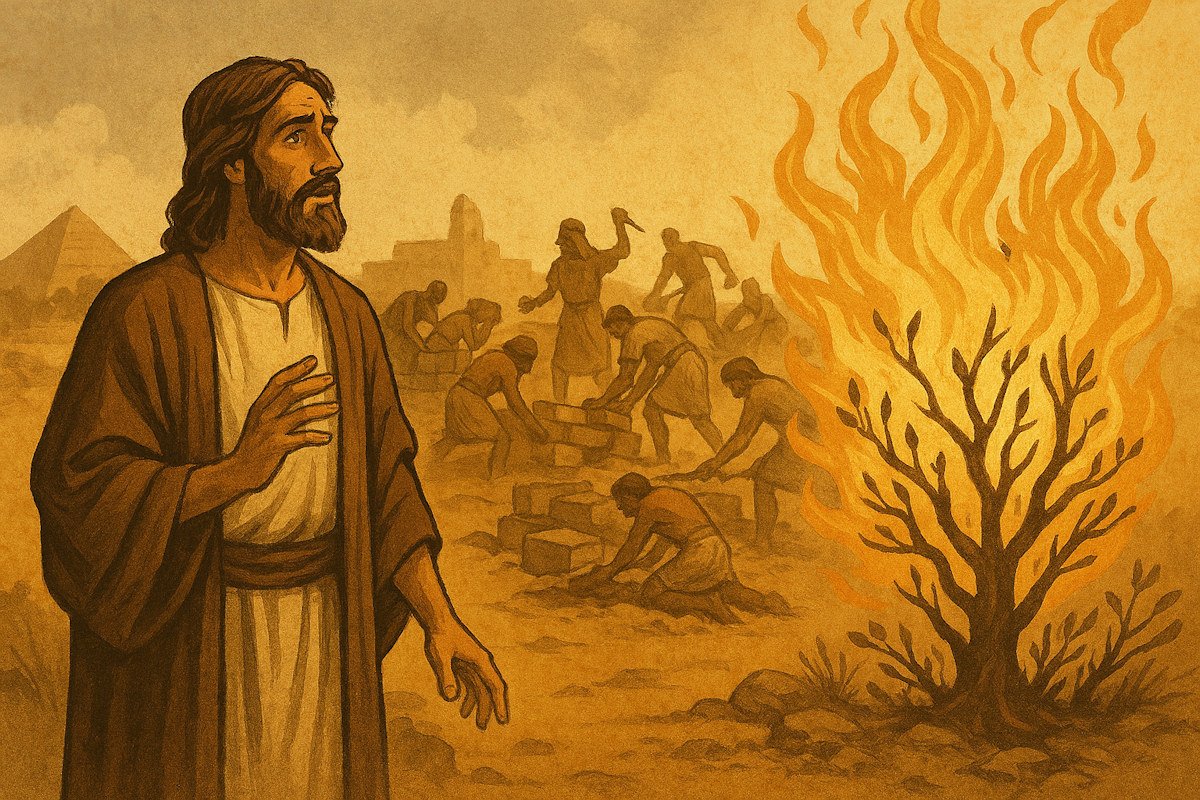
God is faithful to His promises and sovereign over every circumstance. Even when the Israelites faced oppression and hardship in Egypt, God’s plans for them could not be stopped. He cared for them, heard their cries, and prepared Moses to lead them out of bondage.
Genesis Chapter 48 - 50
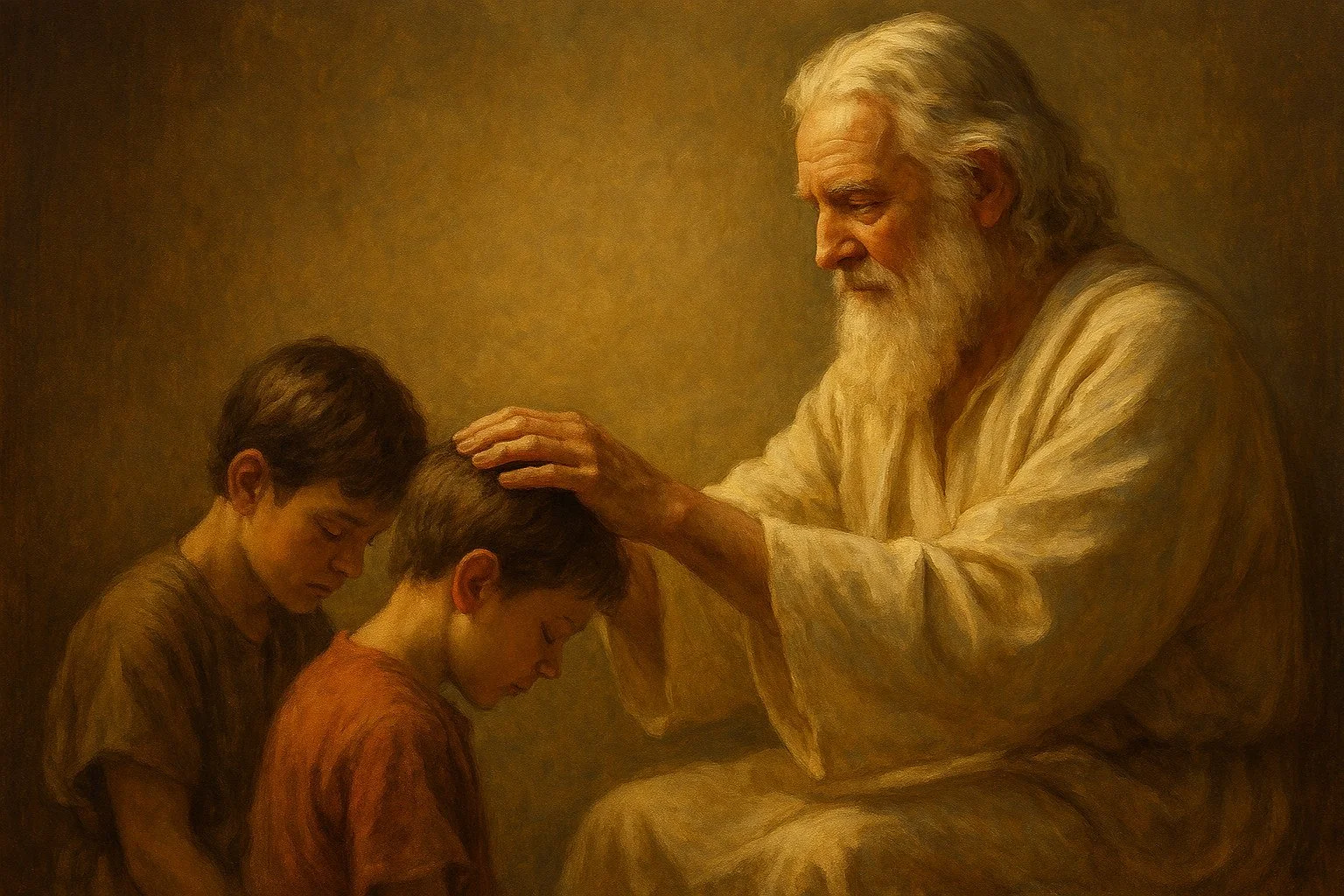
The chapters highlight the importance of character, legacy, and fruitfulness, but above all, God’s ability to transform evil into good for those who trust Him. The most important message is to trust in God’s sovereignty, practice forgiveness, and hold onto hope—knowing that God is always working for good, even in difficult circumstances.
Genesis Chapter
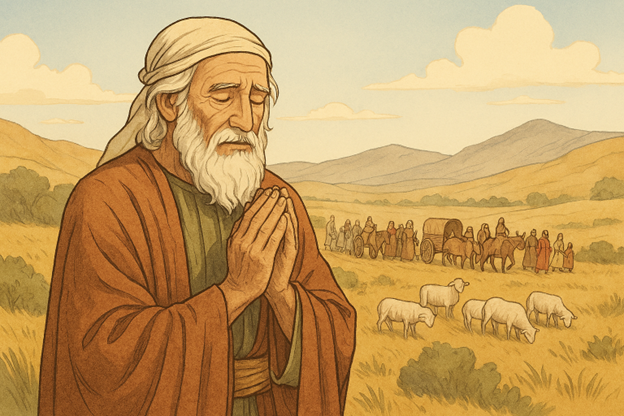
We learned that God is faithful to guide and provide for His people, even in times of uncertainty and change. Jacob trusted God’s promise and moved his family to Egypt, where God used Joseph’s leadership to save many lives during famine. These chapters remind us to trust God’s guidance, obey His leading, rely on His provision, recognize His sovereignty over all circumstances, and be a blessing to others. By applying these lessons, we can grow in faith and reflect God’s love in our daily lives.